Fertility-Preserving Telemedicine Care for Uterine Fibroids in Northern Ghana

Dr. Emmanuel Teyie
January 21, 2026
 |
|---|
Patient Voice
“My fear was fertility. Since it won’t affect my fertility much, I’m okay.”
— Patient feedback (teleconsultation)
Background & Context
In Northern Ghana, specialist women’s health services are often limited by distance, long hospital queues, and cost barriers. For patients with uterine fibroids, lack of counselling can lead to anxiety and fear-driven decisions (including early surgery) before childbearing.
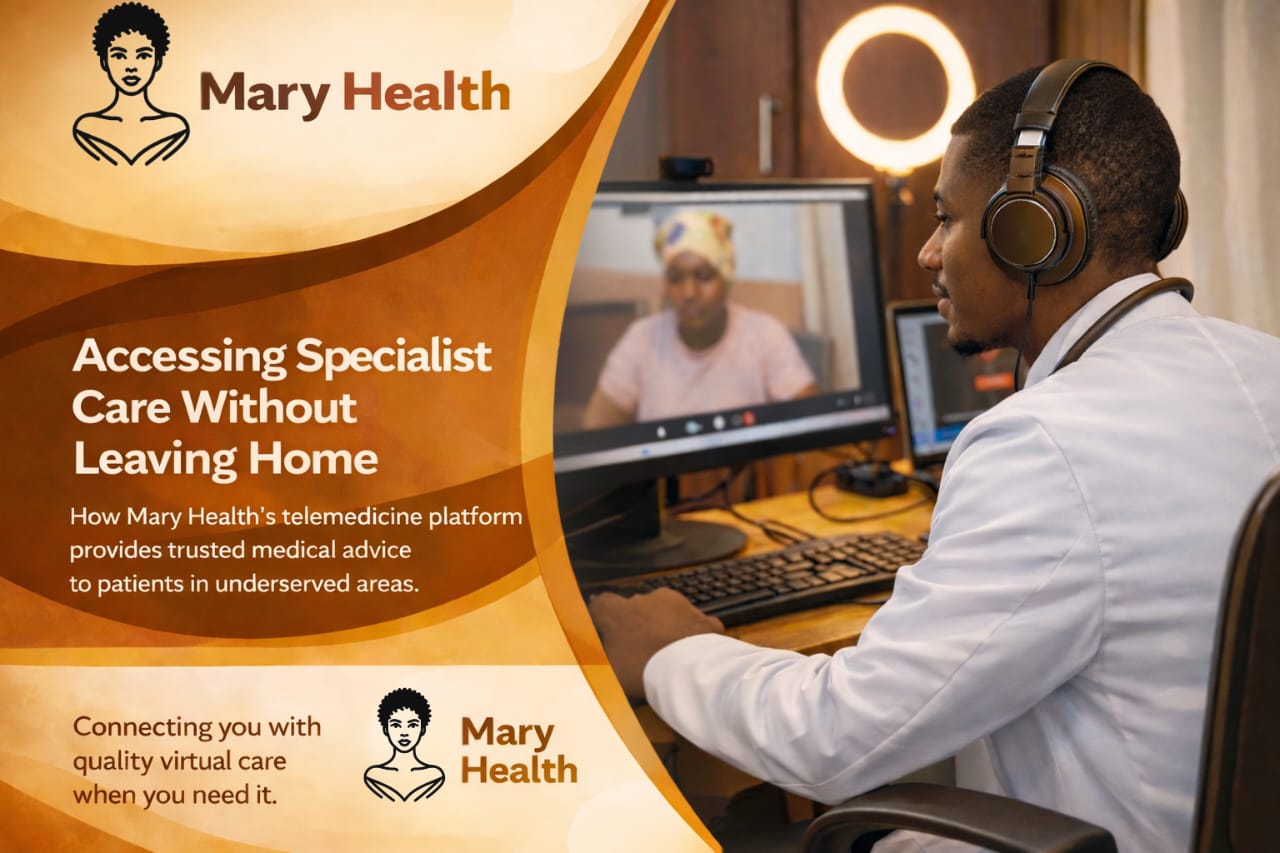
Mary Health (Ask Mary) enables remote clinical consultation via structured telemedicine encounters, providing early assessment, ultrasound interpretation support, counselling, and triage guidance.
The Challenge
Delayed Gynecological Care and Fertility Anxiety
A 26-year-old married woman (nulliparous) in Tamale presented with:
Dysmenorrhea and cyclical pelvic/lower back pain (ovulation and menses)
Concern about progressive fibroid growth
Primary fear: future fertility and ability to carry pregnancies
Previous advice at a tertiary facility: consider myomectomy; patient deferred due to fertility concerns
Telemedicine Consultation Model
The consultation followed a structured approach:
Demographics and reproductive history
Menstrual and symptom history (bleeding, pain pattern)
Family history and comorbidities
Review of medications/supplements
Ultrasound review (patient read results during call)
Shared decision-making aligned to fertility goals
Escalation criteria and referral guidance
Clinical Findings (Ultrasound Review)
Key Imaging Findings (Verbal Review During Consult)
Parameter | Findings |
|---|---|
Uterus | 8.4 × 4.5 × 4.6 cm (near-normal size) |
Fibroid 1 | Subserosal anterior wall: 7.8 × 8.1 cm (largest) |
Fibroid 2 | Subserosal anterior wall: 4.1 × 3.9 cm |
Fibroid 3 | Intramural posterior: 1.6 × 0.9 cm |
Endometrium | 0.7 cm; no cavity distortion |
Ovaries / Adnexa | Normal; no free fluid |
Interpretation:
Predominantly subserosal disease with preserved cavity anatomy suggests low likelihood of fertility compromise. Pain/pressure symptoms were the primary concern.
Care Strategy: Fertility-Preserving Plan
Management Options Discussed
Option | Description |
|---|---|
Option 1 (Preferred) | Attempt conception while monitoring symptoms; manage episodic pain |
Option 2 | Post-delivery management (consider removal after childbirth; consider at time of CS only if indicated) |
Option 3 | Delayed elective myomectomy only if symptoms worsen or red flags appear |
Safety Triggers
Uncontrolled pain
Heavy bleeding or anemia
Suspected degeneration
Rapid fibroid growth
New cavity distortion
The Impact: Reassurance, Right-Sized Care, and Trust
Outcomes of the Session
Anxiety about infertility reduced through anatomy-based counselling
Conservative, fertility-first plan agreed
Clear follow-up guidance and escalation criteria provided
Avoided unnecessary immediate referral/surgery decision during the encounter
Clinical counselling estimate:
90–95% preserved fertility likelihood (given preserved cavity anatomy).
Patient Satisfaction
Metric | Score |
|---|---|
Overall satisfaction | 4 / 5 |
Understanding | 5 / 5 |
Felt listened to / respected | 5 / 5 |
Would reuse and recommend | Yes |
Growing Forward, Together
Telemedicine can serve as an early specialist layer for women’s health in underserved settings:
Earlier counselling without travel burden
Better-informed decisions and reduced fear-driven interventions
Right-sized referrals only when clinically indicated
Improved patient confidence and continuity of care